
Future of e-Estonia: a young engineer’s view
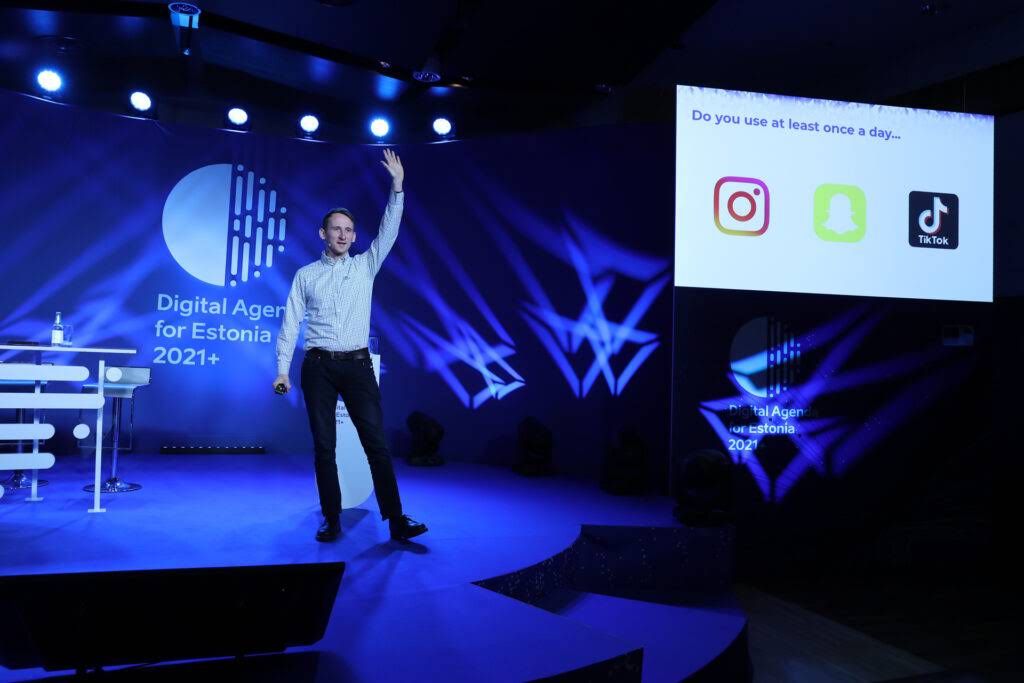
Today I gave a short talk at Digital Agenda for Estonia 2021+, the Ministry of Economic Affairs and Communications event where the country's next ten years of digital policy are being planned. I work at Veriff and have no policy experience whatsoever.
It's twelve minutes long and the argument is that the state should build APIs and let other people build the apps. Here are the slides and what I said about them. The video is on YouTube.
I told them I'd give an overview of what I, as a young and probably naive engineer, thought the future could look like. Hopefully it won't be exactly this, but you have to be ambitious in your goals.

My CV in one slide. I'm 25, which apparently makes me young. At Veriff I build AI teams, and we're responsible for automating the core manual processes behind the product. We do that because otherwise we can't scale. It isn't optional.
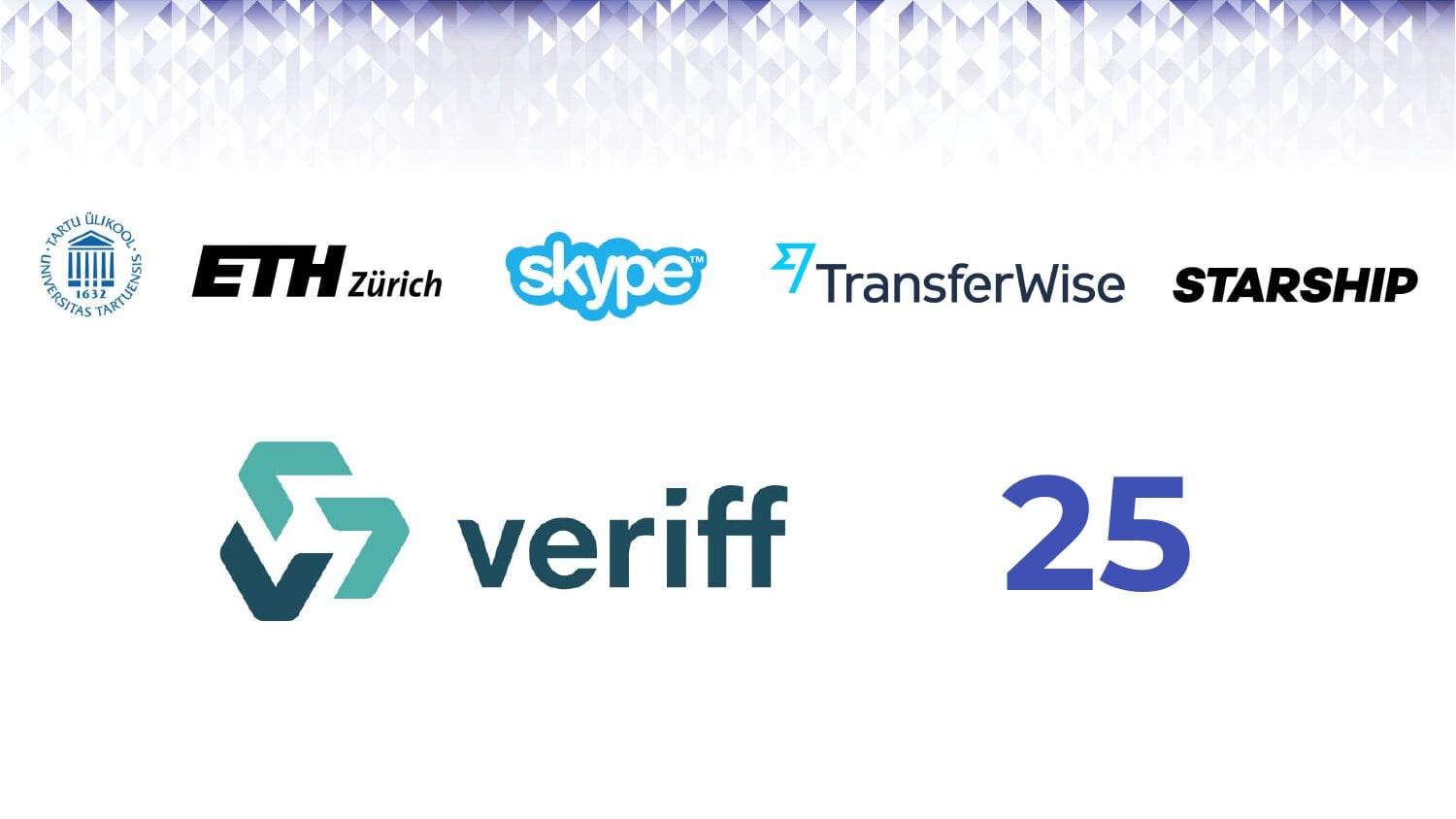
That got the nervous laugh I was going for.

I asked the room to raise a hand if they knew each product, and keep it up if they used it daily. Instagram, most people knew. Snapchat, about five hands. TikTok, plenty knew it (you must have children) and exactly one person used it daily, which was one more than I expected.
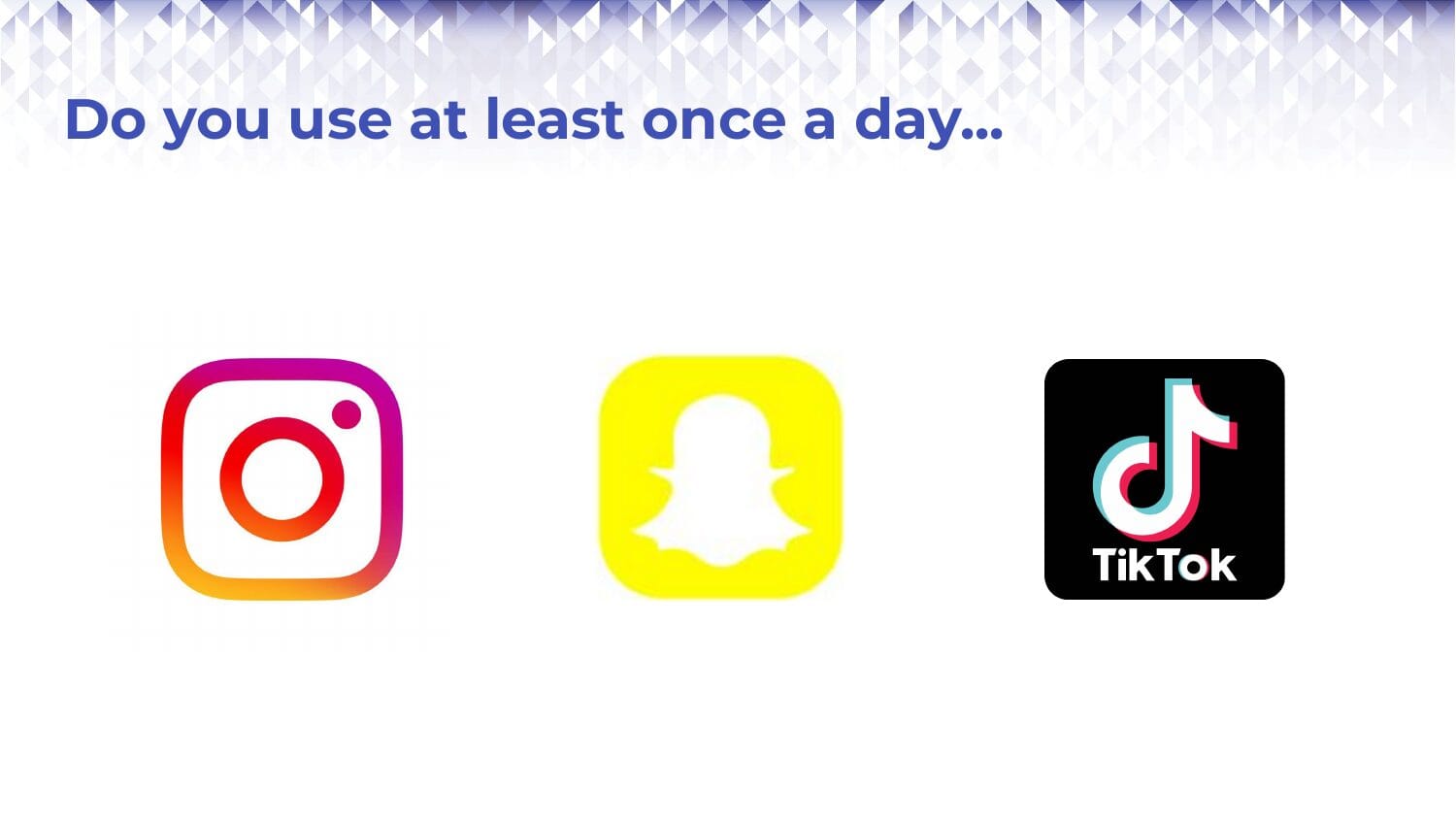
What I find interesting here is micro-generations. Instagram is a normal part of my life and my friends'. Snapchat isn't. My brother is six years younger, and when he was 16 and I was 22 he was on Snapchat, so I tried it, because I'm a technology-savvy person. None of my friends were there, so it made no sense and I couldn't use it. That's the moment I understood I'm not young any more. TikTok is worse: my brother, who used to be the one introducing me to new technology, doesn't use it either. A third micro-generation. Which makes me a technology grandfather.
Two trends. The first is that apps are going mobile-only. Five years ago people talked about building responsively, so that whatever you built also worked on a phone. Then it was mobile-first, where you design for the phone and scale up. Now Instagram, Snapchat and TikTok are only on mobile. Instagram technically has a desktop version, and it's bad, and they don't put effort into it. My technology grandchildren's generation doesn't use a computer. It's a foreign experience to them. Telling them to vote on a desktop is like telling me to walk into a physical polling booth and sign a piece of paper.
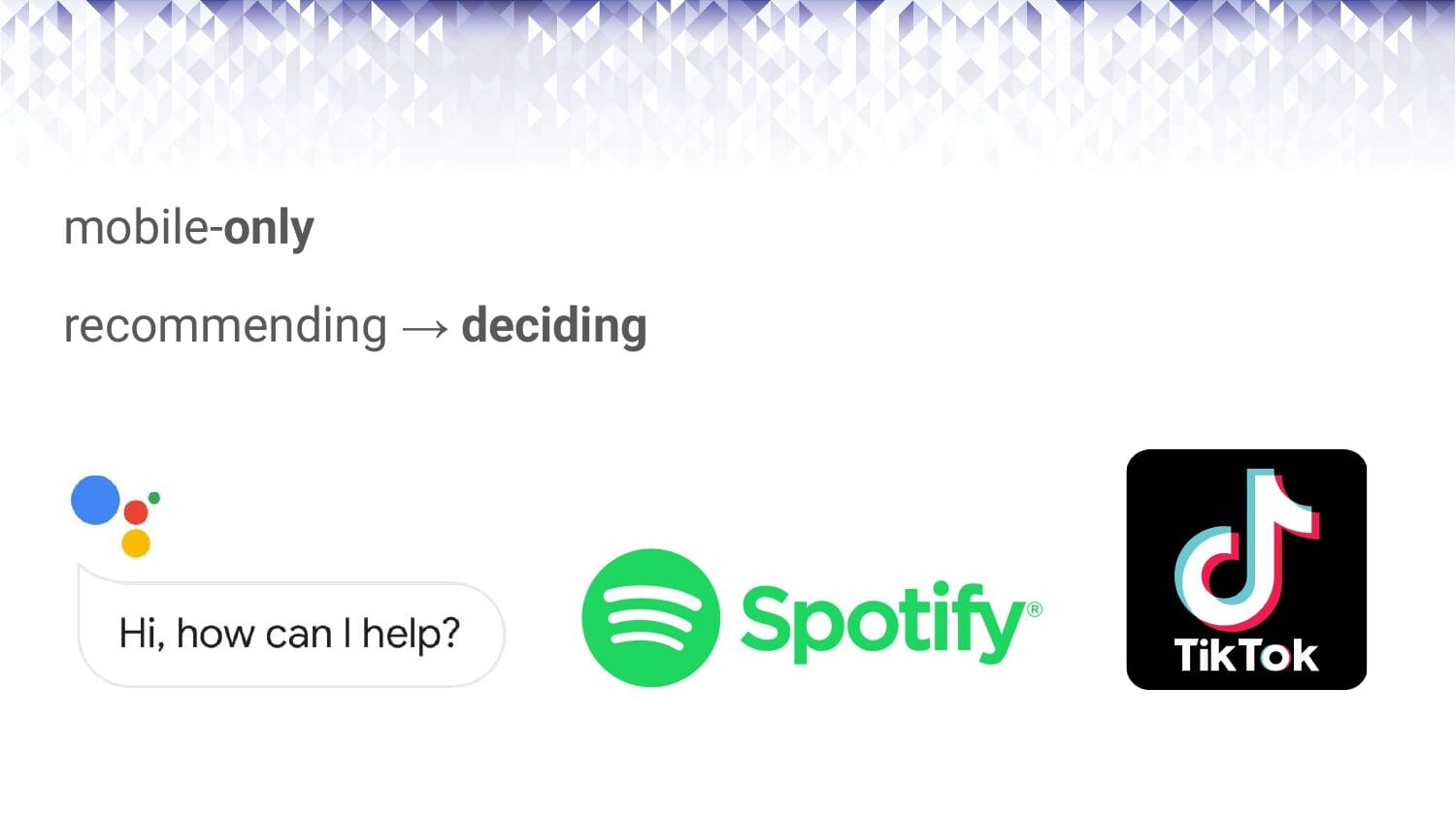
The second trend is the move from recommending to deciding. Recommendation engines have been standard for ten or fifteen years: Amazon recommends what to buy, Netflix what to watch. Put those on an axis from recommending to deciding. Google Assistant surfaces a story you might like, which is a recommendation. Spotify's weekly playlist is also a recommendation, except you can't steer it at all; you can't ask for more house or more jazz, you get the list and you listen. TikTok is further still. A video starts playing and your choice is to watch it or skip to the next one. That's the whole interaction. It's not YouTube, where you search for American cars from the 1980s and pick from a list. You pick roughly a channel, cars say, and then you're fed. The algorithm lays out the timeline and you move back and forth along it. That's the direction we're heading: making the decision for the user.
Then I described products I could build in about a day, if the government's APIs were open and easy to use.
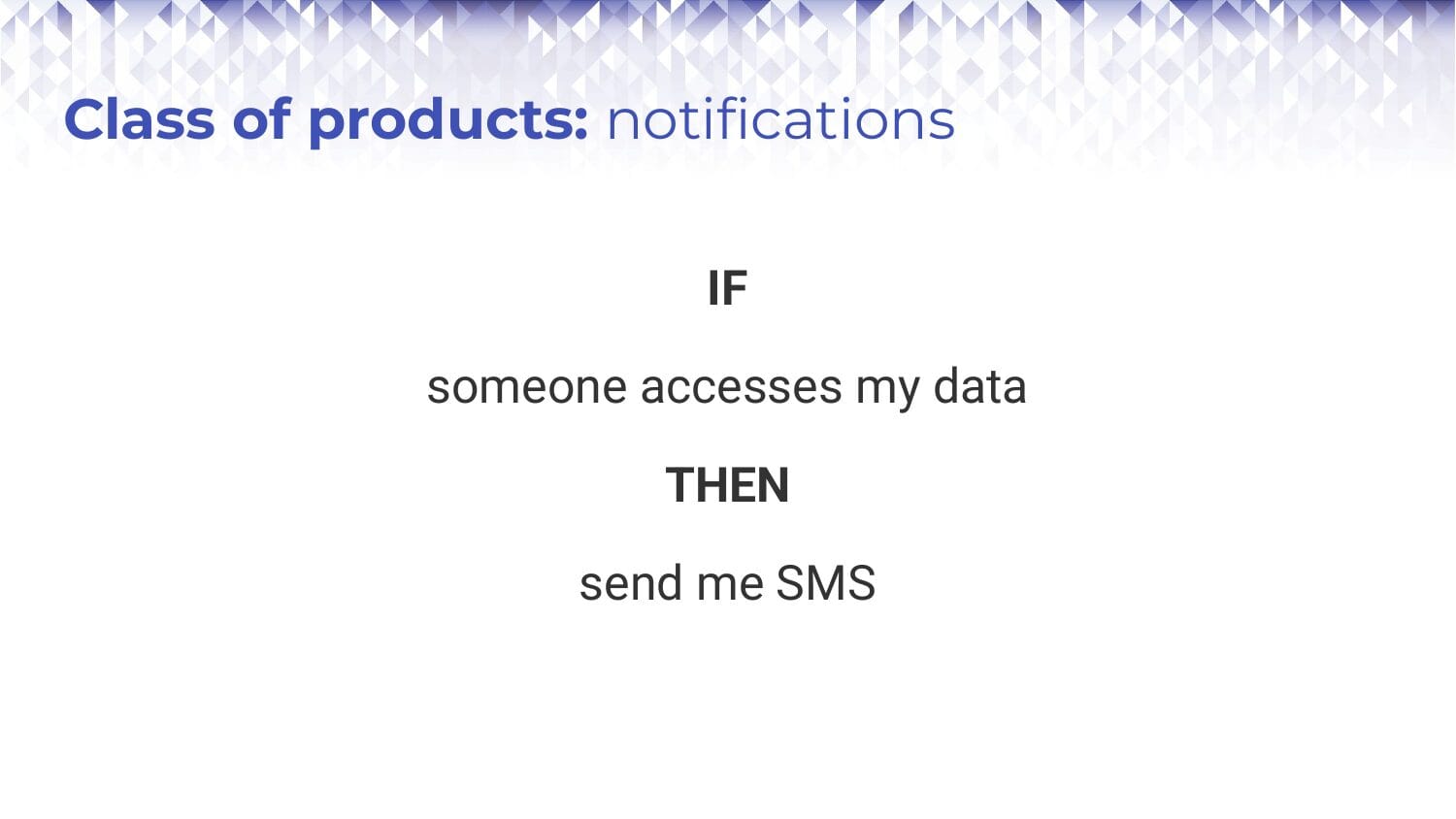
I'd like a notification when someone accesses my data. You can already look this up in the state portal, but if I'm paranoid I'd rather have an SMS, or an email, or a WhatsApp message.
This is a real need, not a hypothetical. Two months ago there was roadwork next to my house that closed off the garage entrance, one of the main ways I get to work. The way I found out was by leaving the house and finding the road closed. The documentation existed and the planning had been running for months. It would have been trivial to look up who is registered as living there and tell them.
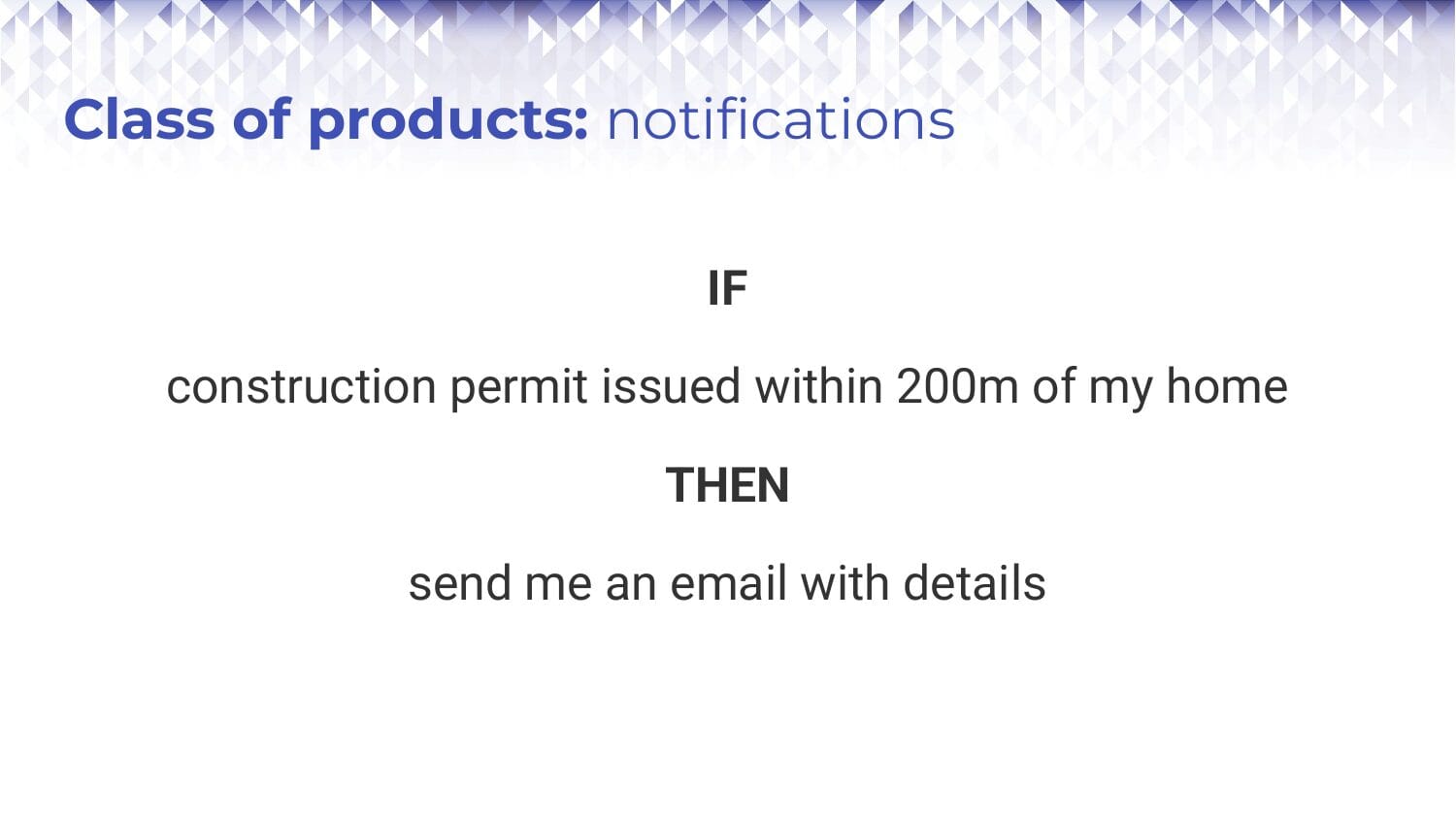
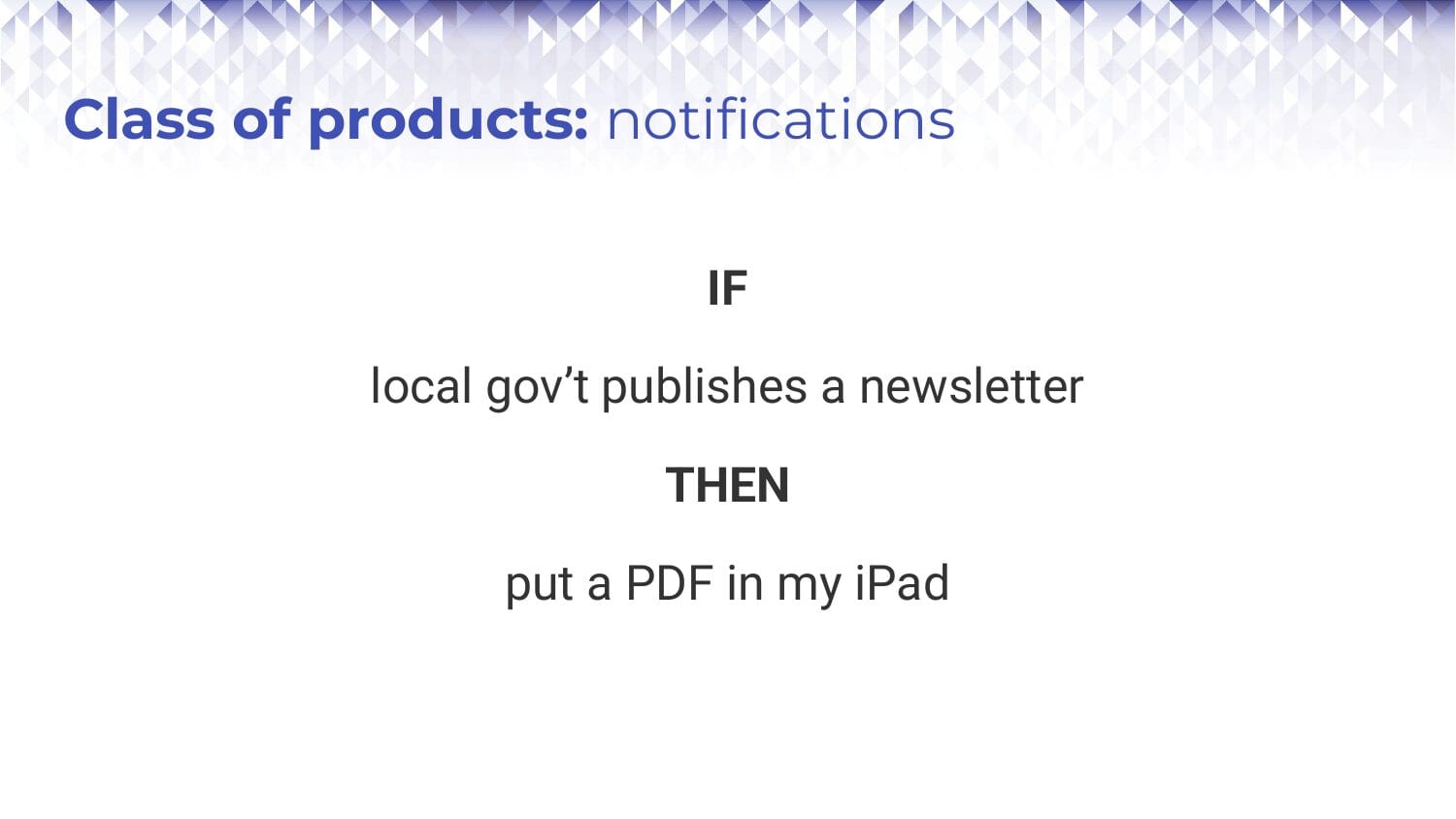
Same shape. Instead of me going to the municipality's website to look for updates, send it to my reader app or my email. I shouldn't have to do work to get something that could be automated.
The second class is local groups. These exist all over Estonia. Saku vald, where I'm from, has a group of five to ten thousand people, and as far as I know there's no official criterion for getting in. If you ask to join, you probably get in.
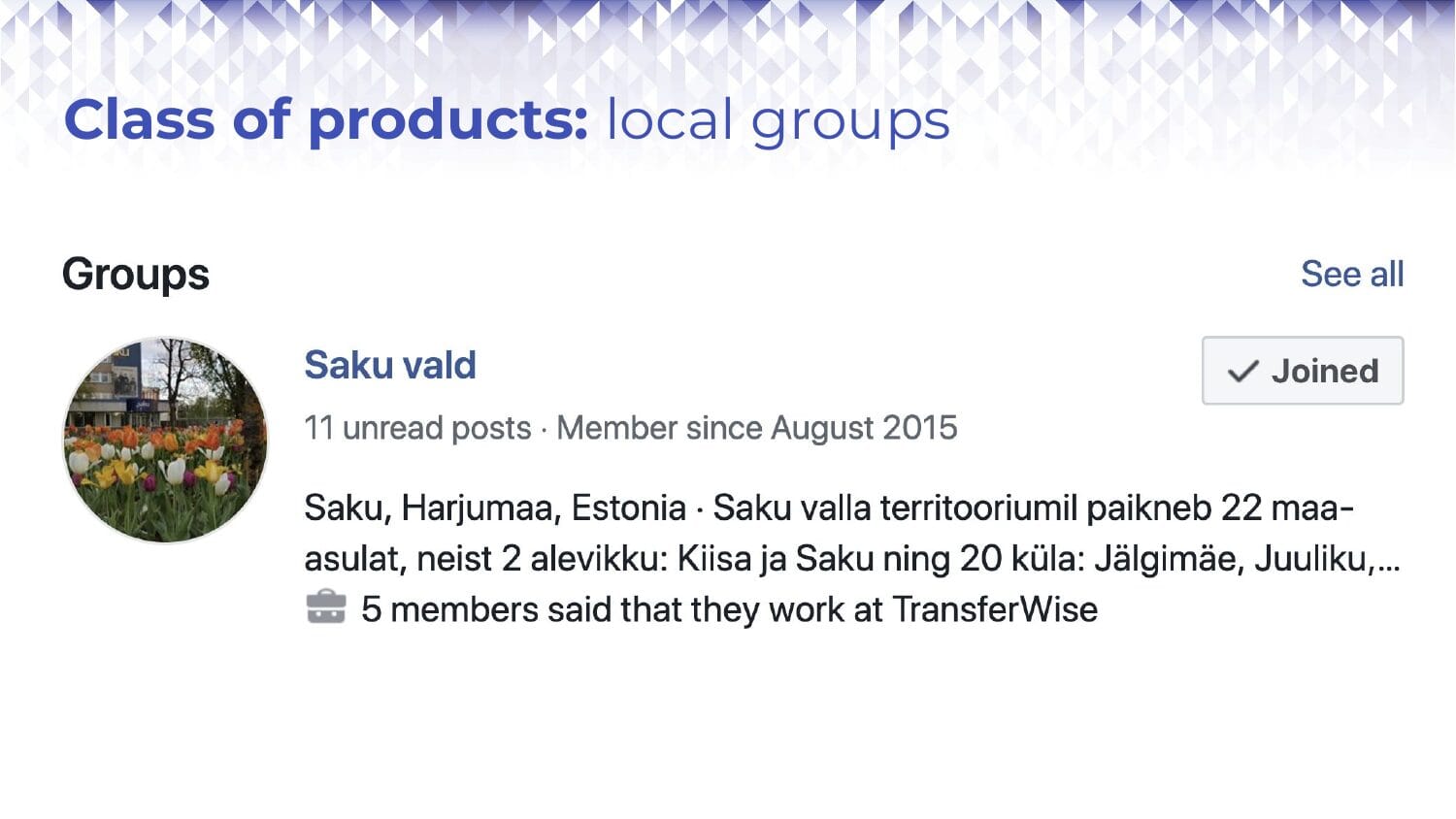
But we could do this automatically, at any level, because the state already has the information. Here's a group for literally everyone in Tallinn.
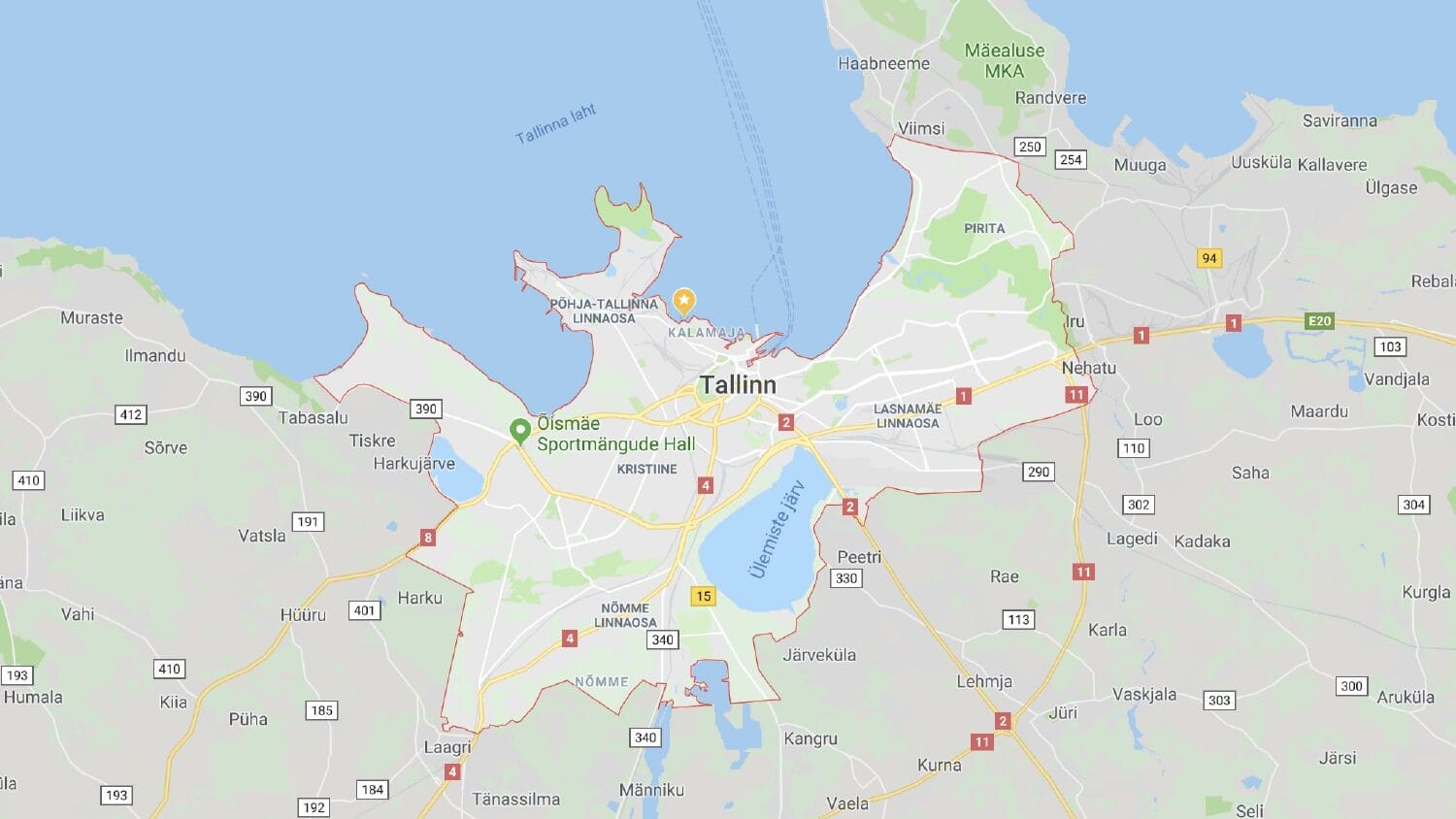
Or Põhja-Tallinn, which is one district of it.
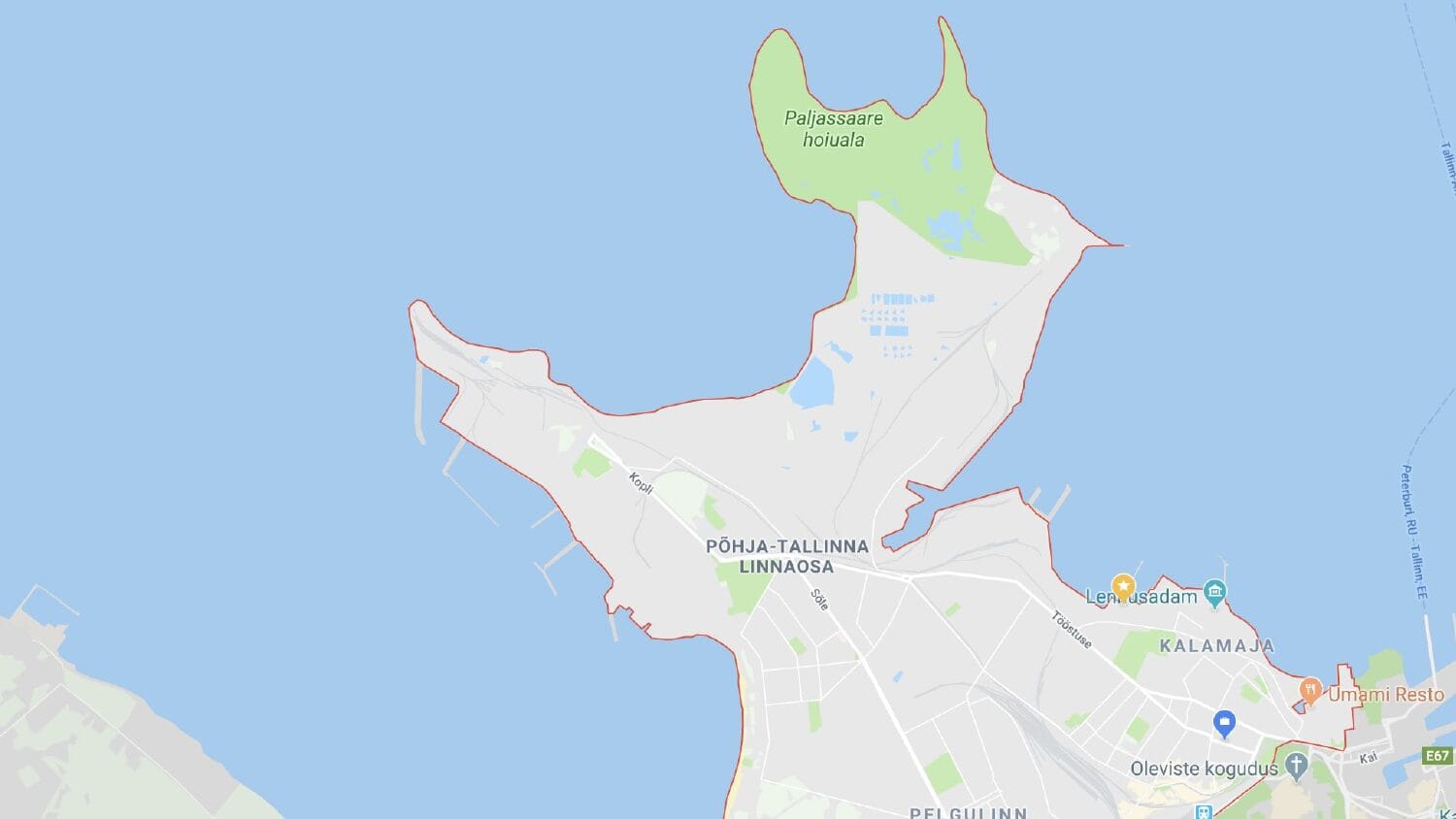
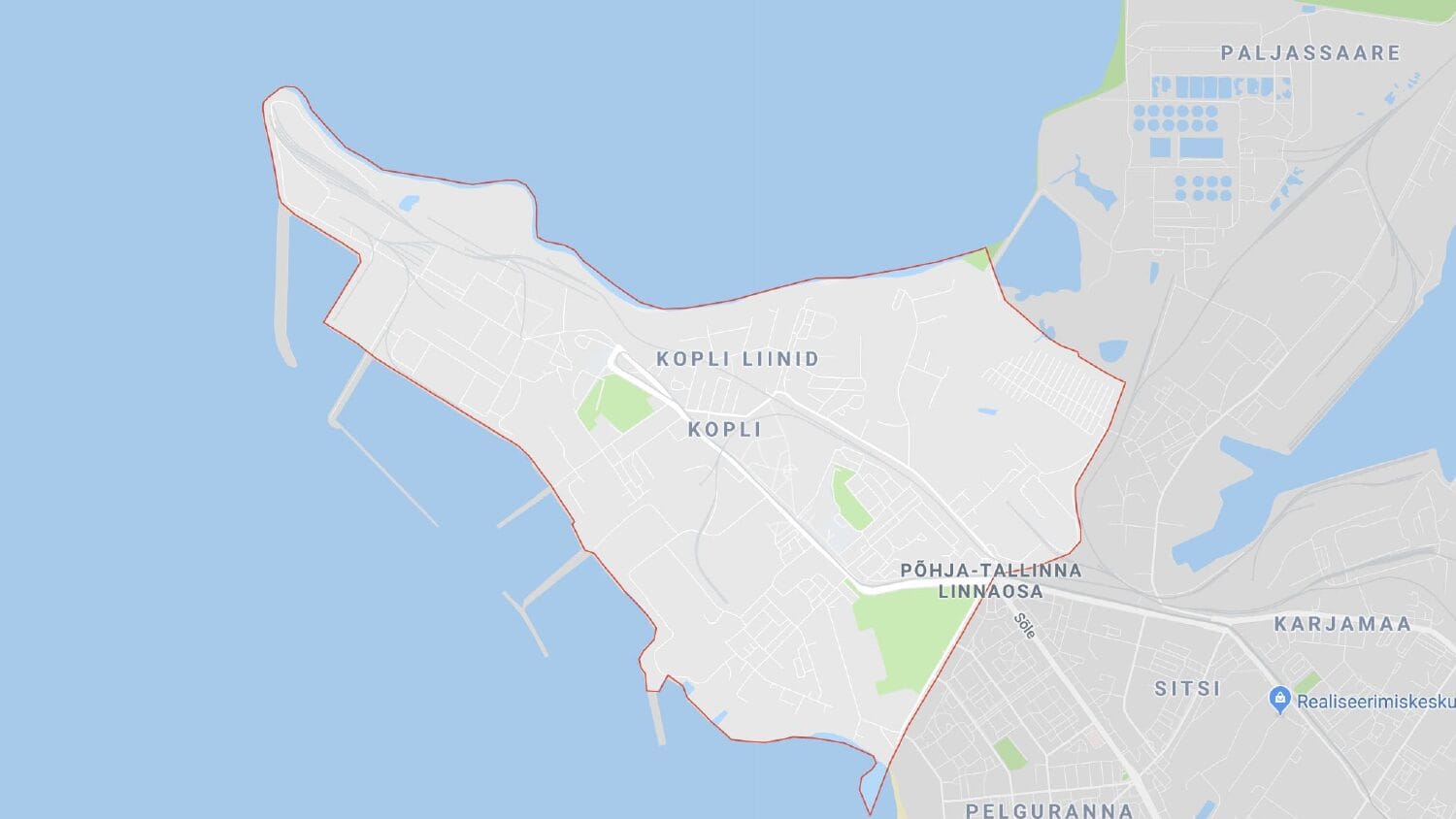
Or Kopli. Or Kopli liinid, a very small part of Kopli. You could go down to a single block, or a single apartment building, each with its own group, created automatically, with no effort from anyone, because the information is already there.
If any of that sounds appealing, the question is how.

I think the answer is in the logo for the event.
We're planning, this week, for a period starting two years out and running ten years into the future. This same week I'm doing planning for my own team. Our cycle is one quarter, and we usually have to replan partway through it.
I'm not arguing the public sector should plan quarterly. I understand that isn't possible. But it shows the constraint you're working under: it is genuinely hard to adapt quickly to the trends I described, because noticing one and then building something that addresses it can take four years, by which point the trend is over and there's a new one.
Here's where the naive part comes in. What if the public sector built only the data model, the database and the APIs? Twilio and Stripe do this. They give you primitives for taking payments, issuing cards, sending an SMS, sending an email, and they don't build anything on top. We could offer any interaction with citizens the same way. If it were easy enough, I could build the products I showed you in a day. Or I wouldn't need to build them at all, because you could wire them up in IFTTT without writing code.

I didn't go into how to actually do this, because I didn't know. But Twilio has an engineering office in Estonia, and that would be a very good place to hire someone from.
That leaves a missing piece. If the government builds the data platform, who builds the apps people actually touch?
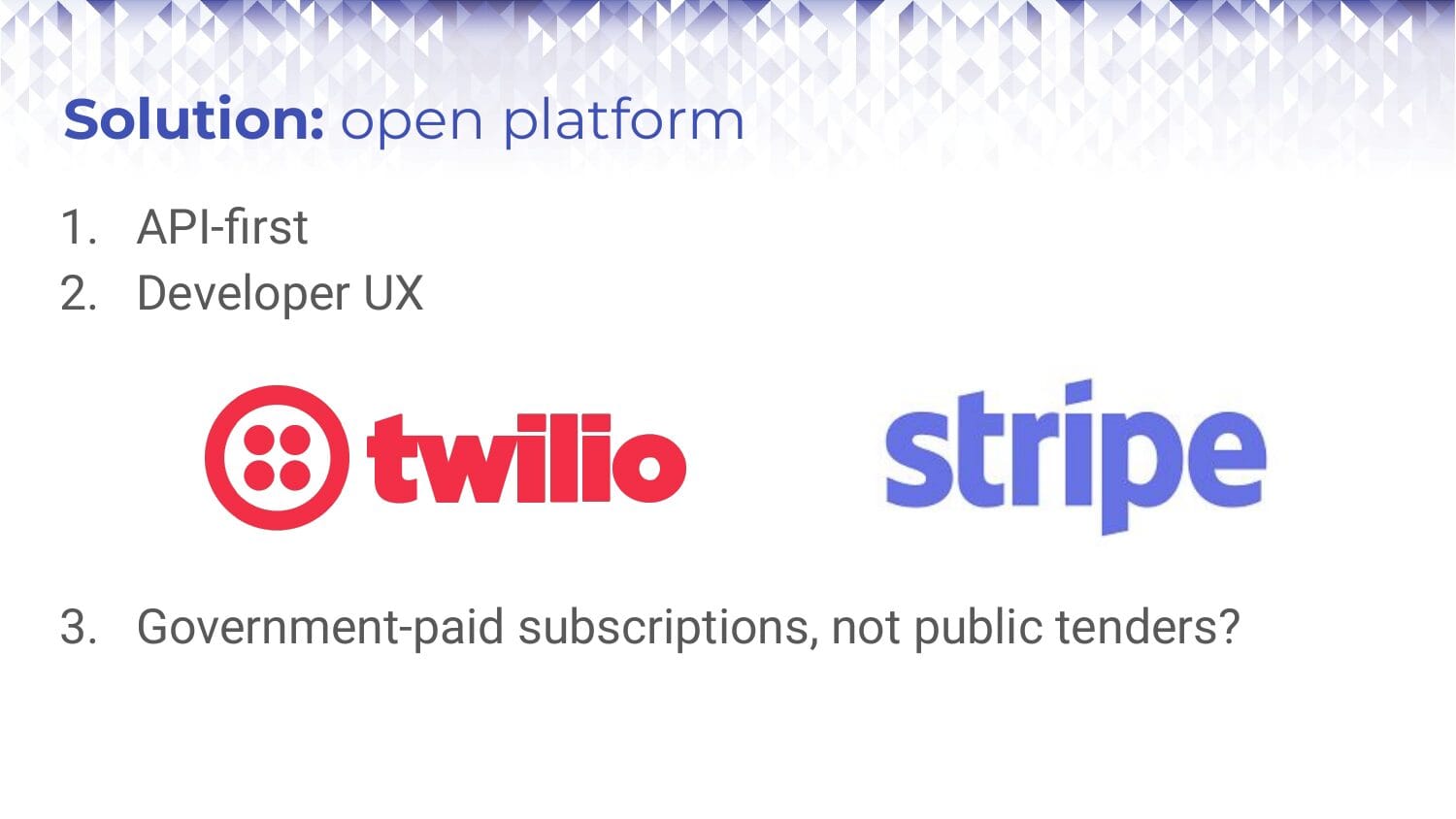
This is where I get even more naive. Instead of public tenders, where we pay a company to deliver one specific app, what if we paid for the subscription? Say the government decides video-on-demand is something citizens should have. We wouldn't build a service. We'd pay for whichever service the user picked. If it's Netflix, we pay for Netflix. If it's whatever Telia offers, we pay for that, maybe up to some limit. That incentivises companies to build the interface layer, and then to keep maintaining it, because otherwise users leave and they lose the recurring revenue.
That was crazy enough, so I stopped there and offered my email to anyone who wanted to get crazier with me.